
Understanding the psychological tricks that keep gamblers coming back
The Allure of Uncertainty
The first psychological trick that draws gamblers back is the allure of uncertainty. Human beings are inherently attracted to the unknown, and this element is central to the gambling experience. The anticipation of not knowing whether you will win or lose creates a rush of adrenaline that can be addictive. This uncertainty is often accompanied by a sense of hope, as players believe that they could win big with just one more try. The excitement of the gaming experience is further enhanced when considering a velobet casino login can afford new players a chance at those thrilling rewards, fueling repeated visits to casinos or online platforms, as they feel the thrill of potential rewards outweighs the risk of losing money.

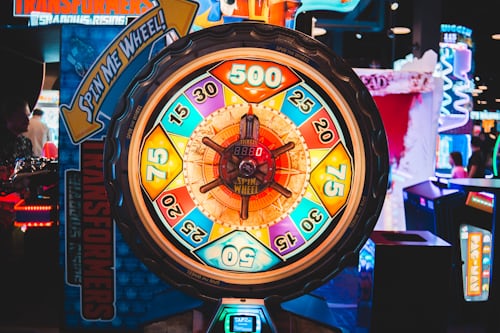
Furthermore, this unpredictability is strategically enhanced through game design. Gambling establishments often utilize sounds, visuals, and even the ambiance to create a stimulating environment that heightens excitement. Flashing lights, celebratory sounds, and the presence of large jackpots all contribute to a psychological space where players feel invigorated. Each spin of a slot machine or turn of a card fosters a compelling cycle of risk-taking behavior, making it hard for players to resist returning for just one more game.
Lastly, this uncertainty can also lead to a psychological phenomenon known as the “near miss” effect. When players come close to winning but ultimately lose, it can trigger emotions similar to winning, encouraging them to keep playing. This feeling of being just one step away from success can be intoxicating, creating a mental cycle where players believe that their next bet will finally lead to the big win, drawing them back time and again.
The Role of Losses and the Gambler’s Fallacy
Another psychological trick that keeps gamblers engaged is the concept of the gambler’s fallacy, which suggests that past events influence future outcomes. For example, if a player loses several times in a row, they may convince themselves that a win is “due.” This flawed reasoning can lead to prolonged gambling sessions as players chase their losses, hoping to recoup what they’ve spent. The belief that luck will inevitably change keeps gamblers returning, despite evidence to the contrary.
Additionally, the emotional impact of losing can often spur a person to continue gambling, driven by the desire to regain lost money. This pursuit can create a cycle of chasing losses, where the individual feels compelled to wager even more to make up for previous failures. It can be difficult for gamblers to accept that losses are a part of the game; instead, they often fixate on the next bet as the potential for recovery, thereby increasing their time and financial investment in gambling activities.
Moreover, this cycle of loss and the hope for recovery is frequently exacerbated by promotional tactics employed by gambling platforms. Bonus offers and loyalty programs can encourage players to view their losses as justifiable expenses, reinforcing the belief that continued play is a viable strategy for future success. This psychological manipulation can lead to a deeper entanglement in gambling behavior, making it increasingly challenging for players to recognize when they have crossed a line.
Social Influences and Community
The social aspect of gambling plays a significant role in its addictive nature. Many gamblers enjoy the camaraderie found in casinos and gaming communities, where they share their experiences and strategies. This social interaction not only enhances the enjoyment of gambling but also reinforces a sense of belonging and identity. People often form friendships around their shared love for gaming, which can turn a solitary activity into a communal one, encouraging repeated participation.
Additionally, social pressures can influence an individual’s gambling habits. Friends and peers may encourage each other to gamble, further strengthening the collective allure. Celebrating wins together or sharing in the thrill of gaming creates a dynamic that can make quitting more challenging. The desire to fit in or maintain social relationships can overshadow personal concerns about gambling addiction, further entrenching individuals in a cycle of play.
Furthermore, social media plays an increasingly pivotal role in shaping attitudes towards gambling. The rise of online platforms allows for sharing wins and losses, as well as promoting various gambling experiences. This constant exposure to gambling success stories can cultivate unrealistic expectations, making individuals more likely to return to gambling in hopes of replicating the perceived enjoyment and triumph of others. As a result, the psychological hooks of social influence become a powerful tool in drawing gamblers back time and again.
The Impact of Cognitive Dissonance
Cognitive dissonance is another psychological trick that affects gamblers significantly. It refers to the mental discomfort experienced when a person’s beliefs conflict with their actions. In gambling, a player may hold the belief that they are merely having fun, yet find themselves losing money frequently. To alleviate this dissonance, they might rationalize their losses by telling themselves they’ll win back their money soon, creating a justification for continued gambling behavior.
This rationalization often leads gamblers to minimize the consequences of their actions, ignoring the financial strain or emotional distress that may accompany their losses. They may focus on the excitement and entertainment aspects of gambling while dismissing the detrimental effects it can have on their lives. This mental gymnastics allows them to persist in their gambling activities, as they reconcile their actions with their self-image, reinforcing a cycle that makes quitting more difficult.
Moreover, cognitive dissonance can lead individuals to engage in riskier behaviors, as they may feel a heightened need to prove their gambling strategies work. This can result in players escalating their bets or taking on more significant risks to validate their previous decisions. Each time they convince themselves that their next bet will be the turning point, they may become further entrenched in the cycle of gambling, making it harder to break free from the psychological traps that keep them coming back.
Gambling and Responsible Play on Online Platforms
While understanding these psychological tricks is crucial, it’s equally important to highlight responsible gambling practices. Many online gambling sites, such as Velobet Casino, are implementing measures to promote responsible play. These platforms often provide tools for self-assessment, enabling players to gauge their gambling behavior and recognize when it may be becoming problematic. They also offer resources for setting limits on deposits, time spent playing, and loss thresholds, empowering users to make more informed decisions about their gambling habits.
In addition to these features, the emphasis on user support is vital for fostering a safe gambling environment. Many online casinos have dedicated customer service teams that can offer assistance and advice to players who may feel overwhelmed. By promoting a culture of responsible gaming, these platforms aim to mitigate the negative aspects of gambling, helping players strike a balance between enjoyment and the risks associated with excessive play.
Furthermore, educational resources available on gambling sites can enlighten users about the psychological aspects of gambling. By understanding the mechanisms that drive addiction, players are more equipped to recognize their own behaviors and make conscious choices. Sites like Velobet Casino contribute to this by not only offering an enjoyable gaming experience but also by encouraging a more thoughtful approach to gambling. Ultimately, the goal is to create a safer space where fun and responsible play can coexist harmoniously.